
Educational Technology vs Technology in Education
Understanding the Key Differences, Applications, and Roles of Technology in Modern Learning.

Technology has completely changed the whole education system from the way students learn to how teachers teach. Modern technology has been applied from online classes with digital textbooks to educational apps and learning platforms.But you have to remember that educational technology and technology in education are not the same. Even though the terms are closely related, depending on the context the meaning might change slightly. To use the technology in an effective way to improve learning teachers, students and education providers clearly should understand the differences between this both.
What Is Educational Technology?

Educational technology or in other words EdTeach refers, how technology and suitable teaching methods help to improve and support learning. EdTeach is not the use of computers or digital tools, it is all about making decisions on how technology can support students to understand lessons, practise different skills and fulfil their learning objectives. Educational technology includes:
- Designing online courses
- Developing digital learning materials
- Creating interactive learning activities
- Choosing suitable Learning Management Systems (LMS)
- Planning online assessments
- Supporting different learning needs
- Evaluating whether technology improves learning
What Is Technology in Education?
When it comes to technology in education it directly refers to the use of technological tools for the studies. It can count using the technological tools in the classroom, online course or any other learning environment. Common examples include:
- Computers and tablets used during lessons
- Projectors for presentations
- Educational videos and digital textbooks
- Video conferencing tools for online classes
- Mobile apps for practising subjects
- Online quizzes and assignments
- Digital platforms for sharing study materials
Educational Technology vs Technology in Education

The main difference is the focus. Educational technology takes a broader approach to planning and improving learning through technology, while technology in education focuses on the tools used in practice.
Educational Technology | Technology in Education |
Planning technology-supported learning | Using technology during lessons |
Designing online courses | Accessing online courses |
Developing digital learning activities | Completing digital activities |
Planning assessment methods | Taking online quizzes |
Evaluating learning effectiveness | Using digital tools to support learning |
The two words have a direct connection and can be interchanged at times. The use of both words is beneficial in showing how to plan a learning experience and when to use technology during a learning experience.
How Do They Work Together?
The process of both educational technology and technology in education are the same. Both teams work together to support the same learning goal. Imagine an institute offering online courses to students across Sri Lanka.
Educational technology involves:
- Planning the course structure
- Choosing a suitable learning platform
- Preparing lessons and learning materials
- Designing assessments
- Planning student support
Technology in education involves:
- Students logging into the platform
- Watching lessons and downloading notes
- Submitting assignments online
- Completing digital assessments
- Communicating with tutors through the platform
The approach in the class room is also the same. For example, let's say a teacher chooses an interactive activity to help students to understand a difficult topic and use a tablet, projector or educational app to deliver it. Here the planning and practical use of technology both works together in learning.
Benefits of Using Technology in Education
When you choose the technology carefully, it will help your learning journey be more flexible. Both teachers and students will get additional ways to work with information. Some key benefits include:
- You will be able to access lessons and study materials from different locations.
- Can use videos, animations and digital activities to explain topics interactively.
- You can easily find e-books, notes and recorded online lessons.
- Can get quicker feedback from some online quizzes.
- For better organizing can keep lessons, assignments and announcements in on platform.
- Helps to prepare resources, share materials and monitor student progress which helps teachers.
When you select the right technology it will make your learning journey far more flexible. Both teachers and students will have access to a whole range of ways of working with the material. Some key benefits include:
- Flexible learning: Accessing lessons and study materials from different locations
- Interactive lessons: Using videos, animations and digital activities to explain topics
- Easy access to resources: Finding e-books, notes and recorded lessons online
- Quicker feedback: Receiving results from certain online quizzes immediately
- Better organisation: Keeping lessons, assignments and announcements in one platform
- Support for teachers: Preparing resources, sharing materials and monitoring student progress
For example a student who doesn't get it in class can watch the recording or do some more practice questions at a later date. However technology is most useful when it's serving a clear learning objective. Just throwing more digital tools at the problem doesn't in any way automatically improve education.
Challenges of Using Technology in Education
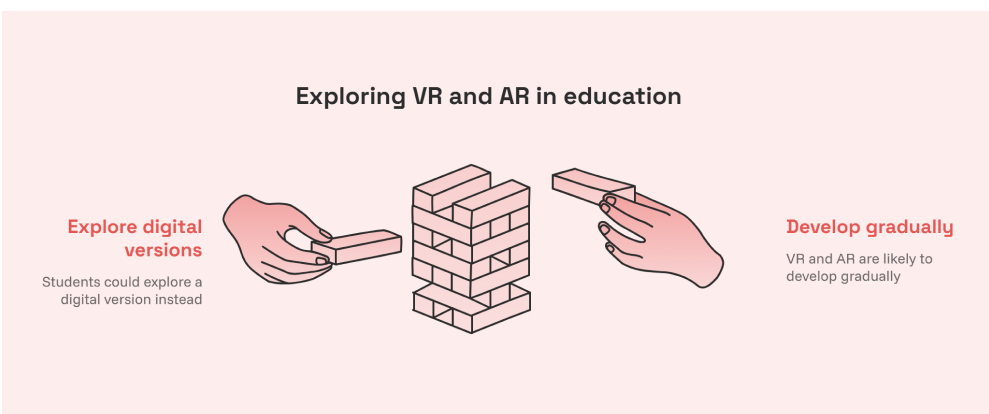
Introducing the technology also brings with it practical issues. The question for the education providers is whether students and staff can actually get access to it and make use of it. Common challenges include:
- Internet access: Unstable connections can interrupt online lessons.
- Device availability: Not every student has access to a computer or tablet.
- Digital skills: Teachers and students may need training to use unfamiliar platforms.
- Distractions: Mobile devices can make it harder to concentrate.
- Privacy and security: Student information needs to be protected.
- Costs: Devices, software and technical support require investment.
These issues are very much in play in Sri Lanka where students will have very different levels of access to devices and to a reliable internet connection. Choose mobile friendly platforms, provide clear instructions and offer technical support to make digital learning more accessible.
How Is AI Changing Educational Technology?
AI is creating new ways of supporting both students and teachers. AI tools can be used to provide explanations, practice questions, feedback and the creation of learning materials. Examples include:
- Suggesting additional exercises for difficult topics
- Generating practice questions
- Helping teachers prepare revision materials
- Providing explanations of unfamiliar concepts
- Supporting personalised learning activities
For example an online system might recommend some extra practice when a student is repeatedly having difficulty with a particular topic. AI still has to be used responsibly. The student has to check the information, develop their own understanding and learn how to solve problems for themselves. The teacher is still the essential element in terms of providing guidance and checking that the student has actually understood the subject.
Choosing the Right Technology for Learning
The best technology is not always the newest or most advanced. It should be easy to use and help students learn better. Before choosing a tool, teachers and education providers should consider:
- Learning outcomes: What do the students need to learn?
- Ease of use: is the tool easy to use?
- Accessibility: Can the students access it with their own devices and their own internet connections?
- Usefulness: Does it make learning easier?
- Support: Can students get support if things go wrong?
- Results: Does it help students learn and improve?
By taking all of the above into account, schools, universities and training institutes in Sri Lanka can go on to select the appropriate technology for their students.
Bringing Educational Technology and Technology in Education Together
Educational technology is about how technology can be planned and used to support learning. Technology in education is about the actual use of technology in the classroom. Both are of course important in modern education. Whether it's a teacher using a presentation in the classroom or an institution delivering an entire course online, technology can be used in a variety of ways to support learning. The key is to select the right tools for the right reasons and ensure they're going to help the students to learn, to practise the skills and to get a better understanding of the subject.