
How Sri Lankan IT Professionals Can Get Remote Global Jobs
Discover how Sri Lankan IT professionals can secure remote global jobs. Learn about top platforms, tips for building a standout profile, and strategies for getting hired by international IT companies from Sri Lanka.

Landing remote IT job positions from Sri Lanka demands more than just coding abilities. With a crowded international IT market, you're up against talent from all corners of the globe. To differentiate yourself, approach your job hunt as if it were a project.
Start by aligning your skills with the needs of foreign companies, such as cloud infrastructure or data science. Then, enhance your online presence to showcase your abilities and flexibility with time zones. Ditch the one-size-fits-all applications; customize your outreach to hiring managers.
This journey requires determination, and you may encounter rejection along the way, but the financial rewards of earning in stronger currencies make the effort worthwhile.
What are Remote IT jobs in Sri Lanka?
Remote IT positions in Sri Lanka are technology-focused jobs that provide professionals the chance to work from home or any location outside of a conventional office setting.
These positions encompass software development, IT support, web development, data analysis, and various other roles, allowing Sri Lankan employees to partner with both local and international IT companies without the need for commuting.
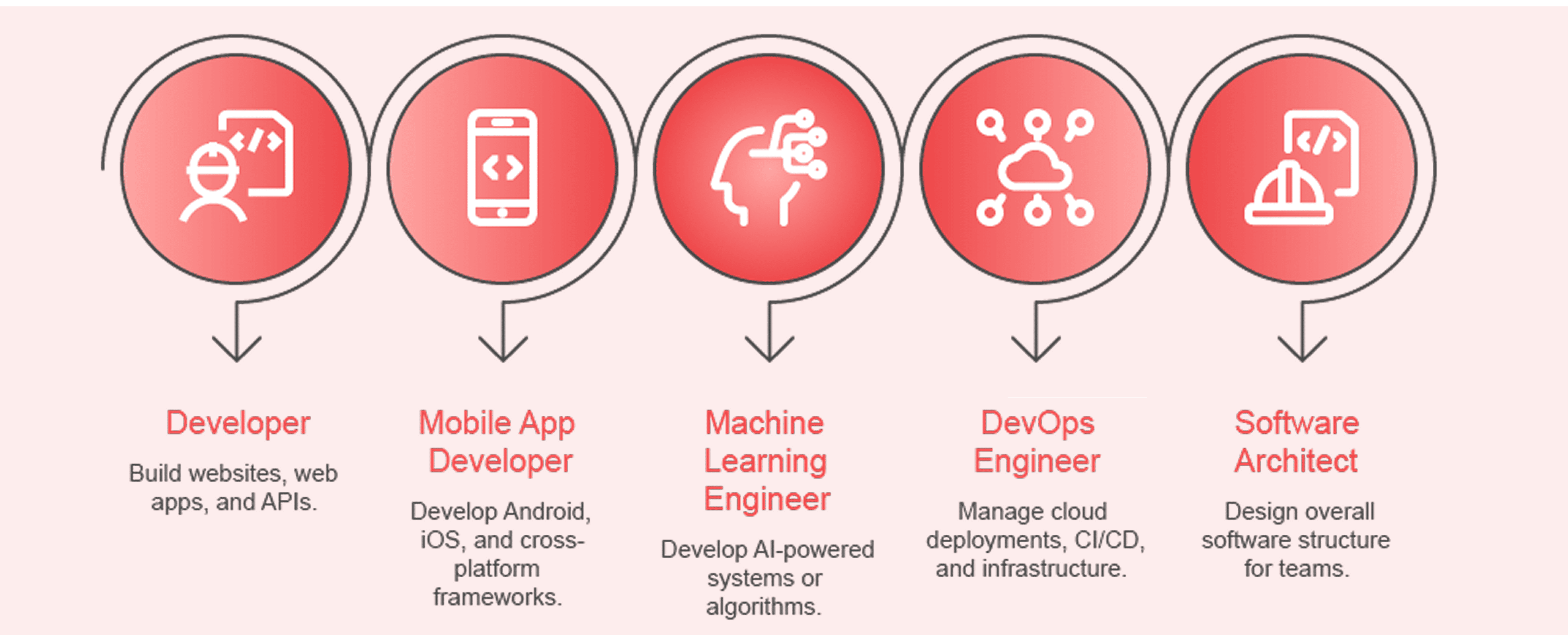
Most Common Types are as follows;
- Frontend / Backend / FullStack Developer – Build websites, web apps, APIs.
- Mobile App Developer – Android, iOS, crossplatform frameworks.
- Machine Learning / AI Engineer – Develop AIpowered systems or algorithms.
- DevOps / Cloud Engineer – Manage cloud deployments, CI/CD, infrastructure.
- Software Architect / Technical Lead – Design overall software structure for teams.
Why Remote IT Jobs are growing fast in Sri Lanka?
In the past, the change started with investments in IT services and the growth of broadband access, especially when the nation's digital transformation strategy was introduced in 2017. With programs like "Digital Sri Lanka" improving connectivity even in rural areas, Sri Lanka currently has a 61.48% internet penetration rate.
It's interesting to note that remote IT job advertisements increased by 45% in 2023, especially in industries like IT, customer service, and digital marketing, according to statistics from the Sri Lankan employment portal XpressJobs.
Benefits of working in Remote IT Jobs in Sri Lanka
Affordability: Sri Lanka offers a cost-effective talent pool compared to other countries, making it an attractive destination for companies looking to reduce operational costs.
Scenic Locales: The country's beautiful landscapes and cultural richness provide a balance between work and leisure, appealing to digital nomads and remote workers.
Telecom Sector: The telecom industry is rapidly evolving with investments in 4G LTE, fiber optics, and early explorations into 5G, ensuring widespread connectivity essential for remote work success.
Government Support: The Sri Lankan government has recognized the potential of the IT sector and has actively worked to create an enabling environment for its growth through technology parks, foreign investment, and entrepreneurship policies.
These factors combined have created a conducive environment for the growth of remote IT jobs in Sri Lanka, making it a prime destination for tech professionals seeking flexible work options.
How to Start a Career in Remote IT Jobs in Sri Lanka

Step 1: Identify the Right Remote IT Job Roles
Remote IT jobs come in many forms, and choosing the right one depends on your skills and experience. Some of the most in-demand roles include:
- Software Developer
- DevOps Engineer
- Cloud Engineer
- Cybersecurity Specialist
- IT Project Manager
- Technical Support Specialist
Step 2: Build a Strong Remote-Ready Resume & Portfolio
Portfolio Tips:
- If you’re a developer, include your GitHub, personal website, or past projects
- Designers should have a portfolio on Behance or Dribbble
- Cybersecurity experts can showcase CTF challenges or security audits
Step 3: Master In-Demand Remote Work Skills
- Technical proficiency (Programming, Cloud Computing, DevOps, AI, etc.)
- Communication & Collaboration
- Time Management & Self-Discipline
- Familiarity with remote collaboration tools (Trello, Slack, Zoom, Notion)
Step 4: Find Remote Job Opportunities
Best Remote Job Portals for IT Jobs
- Careers at iMET (Sri Lanka’s #1 Tech Job Board)
Step 5: Optimize Your LinkedIn & Network Online
- Optimize your LinkedIn profile with relevant keywords like "Remote Software Engineer" or "Remote DevOps Specialist."
- Engage in tech communities (LinkedIn groups, Discord servers, Twitter tech threads)
- Network with recruiters and professionals who work remotely
Step 6: Ace the Remote Job Interview
Tips for Success:
- Ensure a stable internet connection for video interviews
- Prepare your workspace to appear professional on camera
- Demonstrate strong communication skills
Step 7: Prepare for Remote Work Success
Once you land the job, follow these best practices:
- Set up a dedicated workspace at home
- Follow a structured daily routine to stay productive
- Stay proactive and communicate regularly with your team
- Continue upskilling through online courses and certifications
Companies Hiring Remote IT Workers in Sri Lanka

These organizations either regularly list remote jobs for Sri Lankans or operate with fully distributed teams:
Crossover
- A global remote job platform specializing in fulltime, highpaying remote tech roles.
- Many listings are open to Sri Lanka candidates with competitive GBP pay.
Arc
- Tech talent network offering remote roles — fullstack, machine learning, UI/UX, and more — that can be done from anywhere, including Sri Lanka.
Turing
- Connects software developers to remote positions with global companies, focusing on strong engineering skills.
FAQs about Remote IT Jobs
- What are the benefits of remote work for Sri Lankan IT professionals?
Remote work allows Sri Lankan IT professionals to earn global-level salaries while living locally, often in strong currencies like GBP, EUR, or others.
- What platforms and job boards can I use to find remote tech jobs?
Trusted platforms include Upwork, Fiverr, Toptal, LinkedIn, and job boards that list roles "work from anywhere" or accept applicants from Sri Lanka.
- How can I improve my chances of landing a remote tech job?
Build a strong portfolio, improve communication skills, start freelancing, customize your resume and cover letter, and prepare for online interviews.
Final Thoughts
The remote IT job market in Sri Lanka is expanding, and with the right strategy, you can land your dream job in 2026. Focus on building strong skills, networking, and applying strategically. Stay updated with the latest job postings on www.imet.lk to find top remote opportunities!
Build the Future of Remote IT working with iMET
If you are passionate about building up your career remotely in IT and tech fields, iMET offers exciting opportunities to work in the evolving EdTech industry.
Step into the future of global careers with iMET.
Join a global team shaping digital learning experiences and explore career opportunities in technology, education, and innovation.